NOVEMBER 19, 2025
Session Overview — Democracy relies on effective media systems. As the media ecosystem evolves, local journalism and nontraditional media (social media, influencers, etc), are playing an increasing role in how people get the information that informs the issues they care about and their propensity to vote. This session will feature models across the country for how philanthropy can invest in or partner with media systems to ensure their communities are informed as they prepare to vote.
Speakers

Maxwell Zorick
Civic (Re)solve
Maxwell Zorick is the Program Lead of the Elevate Dialogue portfolio at a 10-year fund focused on building America’s civic life and civic capacity. They support projects that help Americans participate in democracy through trusted and relevant information. He has also been a part of the social impact initiatives at Paramount & MTV Entertainment Group and General Assembly.

Allison Taylor Levine
Spotlight Delaware
Allison Taylor Levine, MPA, is passionate about democracy, journalism and community. After starting her career as a reporter at several newspapers, including The (Wilmington, Del.) News Journal, she has spent the past 20 years in various communications and community leadership roles, including 12 years as vice president for marketing and communications at the Delaware Community Foundation (DCF). At the DCF, Allison also led several major initiatives, including the $5.5 million statewide pandemic-response charitable fund and grantmaking programs. In January 2024, Allison launched Spotlight Delaware, a collaborative, community-powered, nonprofit newsroom covering the impact of public policy on communities throughout the First State.
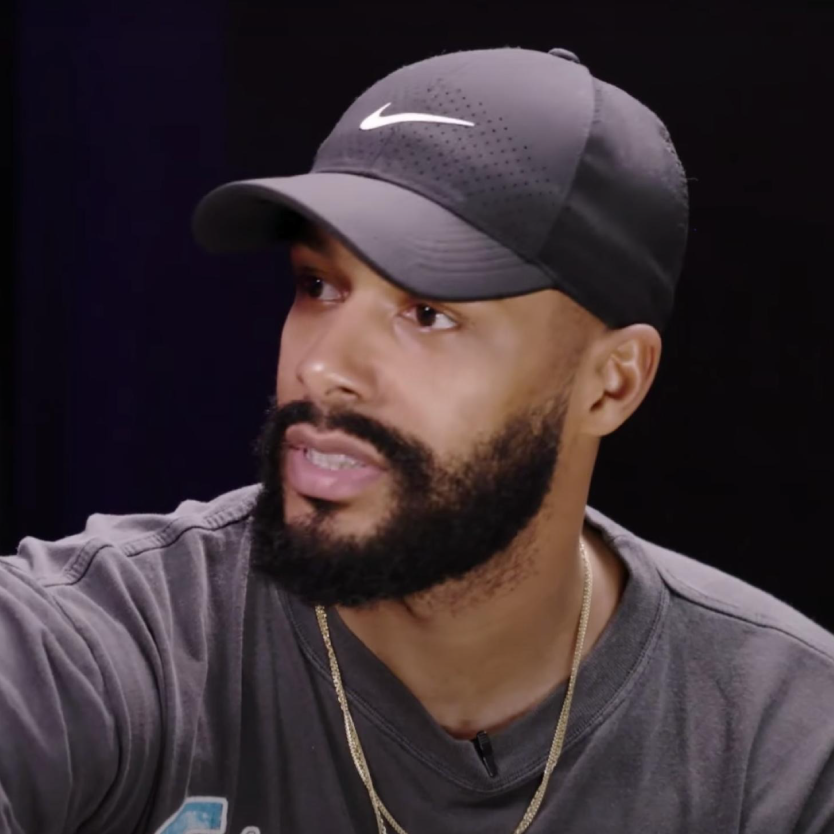
Raymond Paultre
American Experiments, LLC – Project 68
Born and raised in Queens, NY and a Redlands, Florida resident for the past 16 years – Raymond Paultre is the founder of American Experiments, LLC (AE), and its siblings orgs Project 68 (P68) and the American Experiment Project (AEP), and he is President of the Florida donor table. He also serves on the boards of Committee on States (COS), Watering Hole Media, ProgressNow, and is a trustee at the Park Foundation.
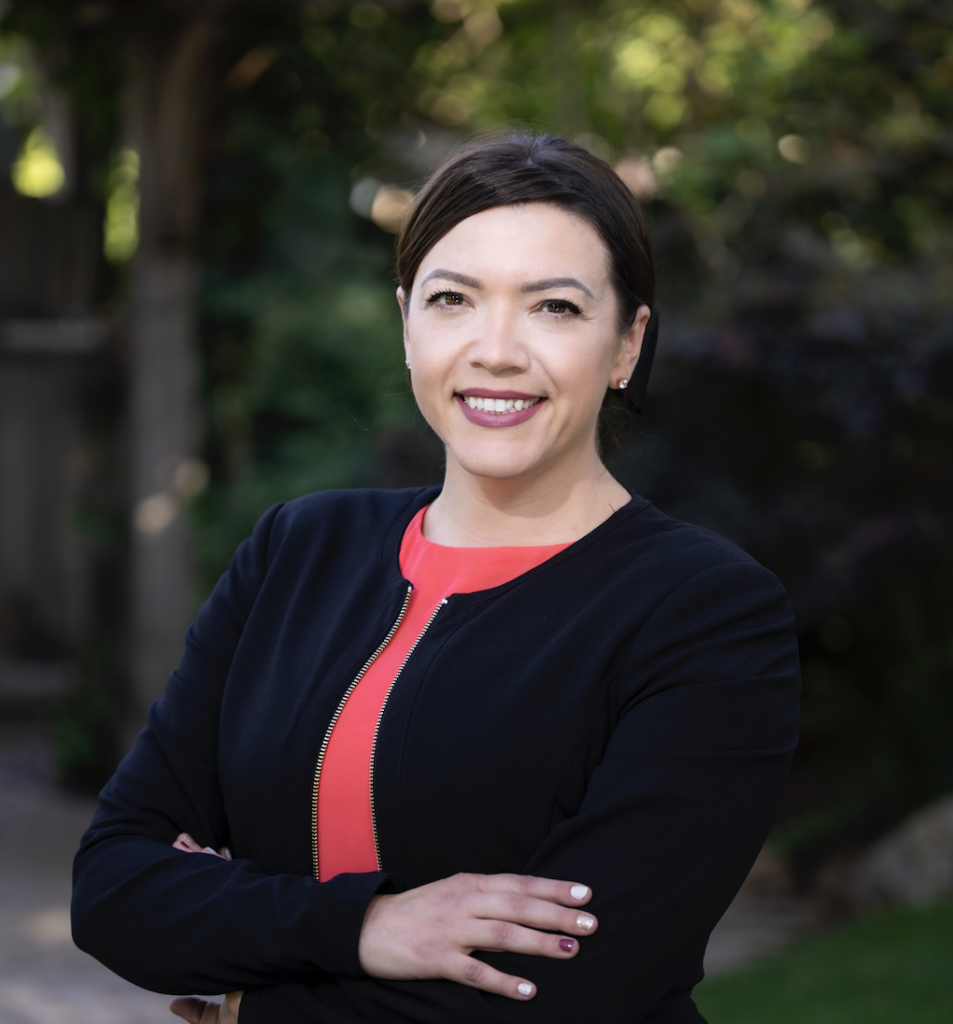
Misty Avila
The James B. McClatchy Foundation
Misty is the Vice President and Chief Strategy Officer of the James B. McClatchy Foundation. With family roots and over 15 years of supporting nonprofits in the region, she cares deeply about the people and communities in the Central Valley of California. She currently holds nonprofit board positions for Aspiration, Journalism Funding Partners, and the California School Age Consortium (CalSAC).
Key Discussion Themes
- Local media is critical civic infrastructure
Community-rooted outlets and creators move faster, build more trust, and fill gaps left by declining local journalism. - Civic engagement succeeds through culture, not directives
Trust-building content—faith, culture, finance, gaming—outperforms direct “go vote” messaging. - Philanthropy must evolve to be more flexible, responsive, and community-led
Funders need to trust local leaders, support emergent creators, and invest in nontraditional platforms. - Reimagining journalism beyond legacy formats
Journalism can live on video, social platforms, and neighborhood communication channels; platform-agnostic thinking is essential. - New infrastructure is needed to address information deserts
Collaborative models—like regional journalism networks—help rebuild local information ecosystems. - Young and emergent leaders are key to the future of democracy + media.
They bring creativity, new platforms, and fresh approaches—yet remain underfunded.
Practical Tips for Engaging with the Media
- Engage locally – Connect with local platforms (nonprofit and for-profit) and listen closely to community members about their needs.
- Focus on a community you care about – Work deeply with grantees and community leaders to understand their context.
- Leverage existing expertise – Partner with funders already mapping or exploring the local media landscape.
- Support trusted storytellers – Fund journalists or local storytellers and ask current grantees who the community trusts.
- Back proximate creators with flexible funding – Identify people already making community-rooted media and provide small, flexible resources to help them grow.